- Most Common Congenital Heart Lesions
- Left-to-Right Shunts (Breathless)
- VSD (Ventricular septal defect) - 30%
- Right-to-Left Shunt (Blue)
- Tetralogy of Fallot - 5%
- Most common cyanotic heart anomaly with R-L shunt
- Common Mixing (Breathless and blue)
- Atrioventricular septal defect (complete) - 2%
- Coarctation of the Aorta - most common site is ligamentum arteriosum
- More common in males than females (3:1)
- Pathognomonic signs: rib notching on CXR, “three sign” on CTA
Showing posts with label tricks. Show all posts
Showing posts with label tricks. Show all posts
Wednesday, July 22, 2015
Pediatrics List of Most Commons for Physician Assistant Students
Most Commons in Pediatrics

Thursday, June 25, 2015
20 Phone Apps for Physician Assistants
20 Phone Apps for Physician Assistants
With the immersion and implementation of EMR, medical phone applications has drastically changed - for the better. As a physician assistant or PA student, you will tasked with “keeping up with the Jones’” in order to monitor the progress of your patients and keep patients interested enough to want to monitor themselves. Products like the Apple Watch and the FitBit have already proven that patients want to monitor their vitals, we just needed a better, easier, and more efficient way for them to do it. I have found the following applications interesting enough to implement into my own practice, but I have not listed any applications for studying here. Instead, these apps offer a variety of services and resources available to you for your patient interaction and monitoring. Take a look at some of them and let me know what you think. If you have found an app that you think is better than some of these listed, let me know in the comments section and I’ll definitely check them out. Thanks for reading!
With the immersion and implementation of EMR, medical phone applications has drastically changed - for the better. As a physician assistant or PA student, you will tasked with “keeping up with the Jones’” in order to monitor the progress of your patients and keep patients interested enough to want to monitor themselves. Products like the Apple Watch and the FitBit have already proven that patients want to monitor their vitals, we just needed a better, easier, and more efficient way for them to do it. I have found the following applications interesting enough to implement into my own practice, but I have not listed any applications for studying here. Instead, these apps offer a variety of services and resources available to you for your patient interaction and monitoring. Take a look at some of them and let me know what you think. If you have found an app that you think is better than some of these listed, let me know in the comments section and I’ll definitely check them out. Thanks for reading!
Thursday, March 26, 2015
Orthopaedics List of Most Commons for Physician Assistant Students
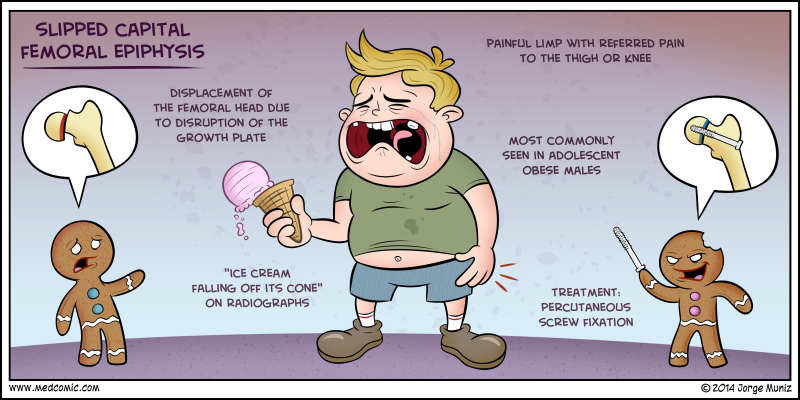
Most Commons in Orthopaedics
- Compartment Syndrome
- Most commonly occurs in lower leg following tibia fractures or crash injuries
- Anterior Cruciate Ligament (ACL) Injury - most commonly injured knee ligament
- Osgood Schlatter’s Syndrome - most common in adolescents that are overactive (too many sports)
- Patellofemoral Pain: most commonly caused by anterior knee pain syndrome, chondromalacia patella, patellofemoral osteoarthritis
- Fibromyalgia - most common cause of chronic, widespread pain in the US
Thursday, February 26, 2015
Neurology List of Most Commons for Physician Assistant Students
Most Commons in Neurology
- Tension Headache - most common type of headache
- Episodic Tension-Type Headache - most common headache subtype (<15 days monthly)
- Migraine - most common recurrent headache disorder
- Medication Overuse Headache (Analgesic Rebound) - most common cause of migraine-like and “mixed” headaches that occur > 15 days per month
- Epilepsy - most common in childhood due to perinatal injury, infection and genetic factors and old age due to stroke, tumors, or dementia
- Seizures
- Most common toxic causes of seizures: drugs, alcohol, and medications
- Most common metabolic causes of seizures: hypocalcemia, hypoglycemia, hyponatremia, hypoxia
Friday, January 30, 2015
Gastroenterology List of Most Commons for Physician Assistant Students
Esophageal adenocarcinoma is the fastest growing cancer in the United States. In total, it affects about 1.5 million people per year worldwide and 38,000 in the US alone. There has been a 6-fold increase in the last 3 decades, accounting for 60% of esophageal cancers. This is one puppy you don’t want to mess with; don’t even get me started on colorectal cancer!
Gastroenterology accounts for 10% of the PANCE, so make sure you pay attention during this part of your didactic phase! Knowing that, you had better take a step into gastroenterology with your thinking cap on ready to learn about new disease and therapy that can affect the way you provide care everyday.
Most Commons in Gastroenterology
- Heartburn (pyrosis) - most common symptom of esophageal disease
- GERD (Gastroesophageal reflux disease) - most common disorder of the esophagus
- Ulcerative Colitis - most commonly affects young adults in 2nd and 3rd decade of life, but 2nd peak in 7th decade
- Most common in N. America, England, N. Europe, and Australia
- More common in industrialized countries
- More common in higher socioeconomic status
- Important: Ulcerative colitis increases the risk of colorectal cancer
- Crohn’s Disease - most common between 15-30 years of age, though can present at any age
- More common in industrialized countries
- More common in higher economic status
- Most common in N. America, England, N. Europe, and Australia
- Skip areas common: The most common distribution pattern of Crohn’s disease is ileocecal, which involves the distal portion of the small intestine (terminal ileum) and the proximal large bowel (40% of patients)
- Most common skin lesions in IBD: pyoderma gangrenosum and erythema nodosum
Tuesday, December 30, 2014
10 Most Helpful Study Tips for Physician Assistant Students
10 Most Helpful Study Tips for First Year PA Students
The way you studied in undergrad may not always be the most effective or efficient way of studying while in PA school, as I have learned. As you begin your journey, or if you are already well on your way, you might find a few of these study tips helpful to increase the breadth of knowledge you are able to digest.
Anytime I get bogged down in the amount of material we are required to know for an exam, or how uneventful a lecturer may make your Friday morning at 8:00 AM, I just remember that I am learning this information to help save someone’s life one day. We can never forget that. What may seem unimportant or like “useless” information will probably be the most important thing you’ll learn your entire career and it could potentially mean the difference between life and death for a patient. The day that you decide that it is acceptable to receive poor grades in a course “as long as you pass” is the day you have failed your profession.
Monday, December 8, 2014
Hematology List of Most Commons for Physician Assistant Students
Most Commons in Hematology
- Iron Deficiency Anemia - most common cause of anemia
- Anemia of Chronic Disease - most common cause of normocytic anemia
- Glucose-6-Phosphate Dehydrogenase Deficiency - most common RBC enzyme defect
- More common in males
- Highest frequency among Mediterranean regions, Africa, and China
- Most commonly seen in tropical geographic areas prevalent for malaria
- G6PD “A-” is the most common variant
- Sickle Cell SS disease - most common and most severe of the sickle cell disorders
- Warm-antibody AIHA (autoimmune hemolytic anemia) - most common of all AIHA
- Immune Hemolytic Anemia - commonly DRUG related
- Idiopathic Thrombocytopenic Purpura (ITP)
- Acute ITP - most common in children, preceded by viral illness, self-limiting
- Chronic ITP - most common in adult women (20-40), idiopathic, not self-limiting
- Thrombotic Thrombocytopenic Purpura (TTP)
- Most commonly acquired due to an inhibitory antibody that blocks ADAMTS 13 activity
- Hemophilia A and B - most common in males
- X-linked recessive bleeding disorders
Monday, November 17, 2014
Pulmonology List of Most Commons for Physician Assistant Students
This topic deserves an introduction. Why? Because it is Lung Cancer Awareness Month. How many of you have ever heard of Lung Cancer Awareness Month? Exactly. That’s probably because Breast Cancer Awareness Month probably stole its light in October. Unfortunately, breast cancer does not cause the most mortality in the United States, lung cancer does; that goes for men and for women. Why is this? Probably because there is not a unified and inexpensive diagnostic screening method for lung cancer as there is for breast cancer. Lung cancer causes almost double the number of deaths per year as breast, colon/rectal, and prostate cancers. Nonsmokers living with smokers have more than a 30% increased risk for developing lung cancer, regardless of whether or not the smoker is physically smoking around the nonsmoker or not. A diet rich in fruits and vegetables may protect against the development of lung cancer in smokers. However, high dose supplements of beta-carotene (also found in carrots) has been shown to increase the risk for lung cancer and is not recommended. So there you go. I have increased your knowledge about lung cancer in a matter of a few minutes. Hopefully now you will remember that every november is Lung Cancer Awareness Month and that you will remember to include lung cancer in your differential and to screen folks for it when necessary.
Most Commons in Pulmonology
- Cough - Most common complaint seen in outpatient setting
- Dyspnea (difficulty breathing) - common complain at emergency department
- COPD - most common respiratory disease; 3rd leading cause of death in US
- More prevalent in males
- Most common cause of COPD - cigarette smoking
- Most common bacterial pathogens in COPD are: Streptococcus pneumoniae, Haemophilus influenzae, and Moraxella catarrhalis
- Asthma - most common in children
- More common in male children
- Prevalence changes to adult women after puberty
- Most common in Caucasians
- Most are categorized as moderate persistent
- More common in obese individuals
- Most common Interstitial Lung Diseases
- (1) Usual Interstitial Pneumonia (idiopathic pulmonary fibrosis) - idiopathic interstitial pneumonia (IIP)
- (2) Sarcoidosis - idiopathic, granulomatous
- (3) Hypersensitivity Pneumonitis (HP) - known cause, granulomatous
Sunday, October 19, 2014
Cardiology List of Most Commons for Physician Assistant Students
Dear Readers,
Below are the most commons in cardiology that I’ve put together from this block. I’m sure once I enter rotations I will be adding many more. Can I just say that one of my biggest pet-peeves right now is the incorrect pronunciation of medical terms? For example, angina. This word has been produced in two ways by various professors, but there must be a correct way to pronounce it, so naturally, I looked it up. “An-jen-uh” is the correct pronunciation, while “an-jine-ah” is colloquially used, but incorrect.
Cardiology Most Commons
- Most common pathologic process of the pericardium - Pericarditis
- Most common etiology of Acute Pericarditis - coxsackievirus A and B
- Most common cause of death in the U.S. - Coronary Artery Disease (CAD)
- Coronary microcirculation disease more common in women - this is why CAD affects more women than men annually
- Exercise electrocardiography less accurate in women
- More women die each year of CAD
- Most common cause of sudden cardiac death: ventricular fibrillation
- Most common cause of sudden cardiac death in young athletes: hypertrophic obstructive cardiomyopathy (HOCM)
- Hypertension
- More common in women as age increases
- More common in men in young and middle aged people
- More common in African Americans and lower socioeconomic groups
- African Americans develop at earlier age compared to other races
- Secondary HTN - more common in children
- White coat HTN - affects more treated women than men
- HTN is the SECOND most common cause of CKD
Monday, August 18, 2014
Anatomy Tips and Tricks for Physician Assistant Students
Anatomy can be a doosey for everyone, so don't let it get you down if you're having trouble. A few mnemonics and acronyms can be your savior if you are really struggling. Just make sure you have them straight and practice saying them out loud. Remember that sometimes, the most silly or inappropriate mnemonics or acronyms can help you recall the toughest things! Be creative and have fun with anatomy, it will help it stick. Some of my acronyms and mnemonics may not be helpful or useful to you if you don't understand them, so try making your own. When in doubt, draw it out! Drawing vasculature or nerves from beginning to end can take some time, but can be worth it in the long run. Typically, I would draw out sections of vasculature or nerves and then go to the lab to identify them. It really helped me solidify relationships.
When I was in anatomy, I would read the lab manual the night before, taking notes on things I thought were important for the lecture test. To my surprise, much of what I originally thought were minor details, were actually very helpful in locating structures for the lab exam. Knowing relationships between structures can aid your learning in anatomy, because if you can find landmarks like nerves, vessels, or bony structures, you can often figure out what something is.
For your practical, if your school offers any old exams, you might make a list of all of the terms that have been tested on in the past and their occurrence. You and your classmates might also join Quizlet and start your own flashcard deck. Our class created decks for each exam that helped to quiz when the lab was closed. Creating tables with muscle origins, insertions, and actions will also help reinforce your learning. Remember, teamwork makes the dream work!
If you have anything to add to this list, please leave it in the comments section below. Thank you all for reading! Much thanks to the UT Southwestern PA Class of 2015 for their help.
Helpful Links
- The Skeleton Dance - for help with bony landmarks
Upper Body
- Suprascapular nerve/artery with the superior transverse scapular ligament (bridge)
- Army goes over the bridge, Navy goes under it
- = Artery superior to ligament, Nerve inferior to ligament
Subscribe to:
Posts (Atom)